The Australian Boardriders Battle Grand Final recap recently aired on Channel 9.
Six months after the final, it’s still worth watching.
But the timing says something too. While the final returns to screens, clubs are already back in the water, qualifying for 2027.
That in-between season is the part almost nobody watches, and it’s where the sport is actually built. Australia has more than 250 boardrider clubs. Their members run the heats, judge, keep time and bring juniors into the water alongside masters and Open surfers.
That’s how a first wave becomes a lifelong practice.
The trophy goes to a club, not a surfer. That’s not a detail. Clubs are the structure Australian surfing stands on: its participation system, its talent pathway and its community.
The club is surfing’s invisible infrastructure
In March 2026, North Shelly won the Australian Boardriders Battle Grand Final at Burleigh Heads, claiming its second title. The final was decided on the sand after the siren.
In late September, the Grand Final recap aired on Channel 9, just as clubs were back in the water for the qualifiers leading to the 2027 final.
The spotlight returns to the final. In between, though, lies the part almost nobody watches. And it explains Australian surfing better than any final.
The name on the trophy belongs to a club, not a surfer. It is a less obvious detail than it seems, in a sport the industry often tells through its athletes.
The work the final doesn’t show
More than 80 clubs compete across eight qualifying rounds for a place at Burleigh Heads. On 19 September, 18 clubs competed at Curl Curl for eight qualifying spots. North Narrabeen won, finishing on 29.60 in the closing moments. But even the qualifiers are only the surface.
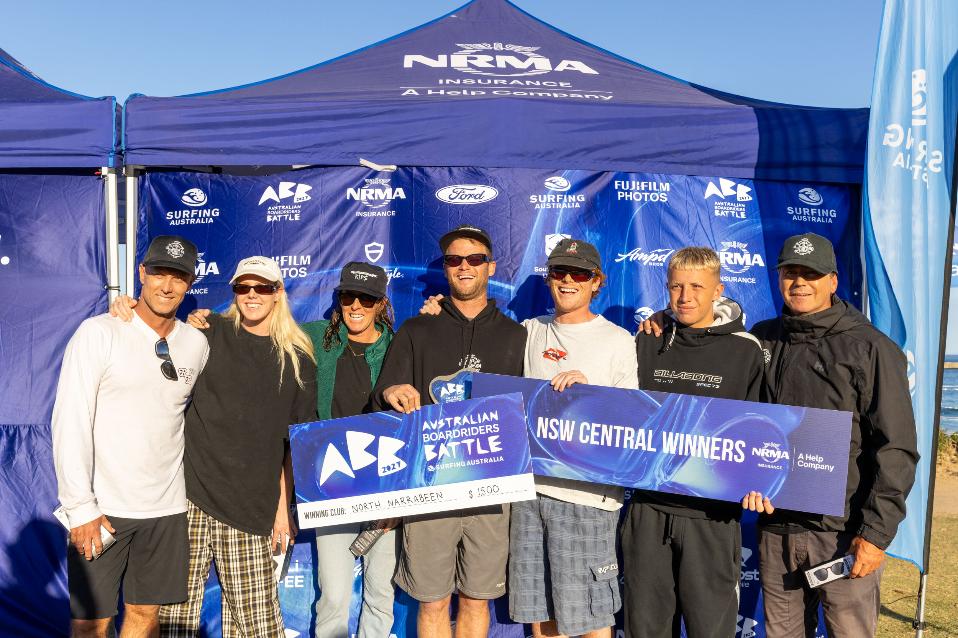
North Narrabeen Boardriders; Nathan Hedge, Dylan Moffat, Davey Cathels, Jaggar Phillips, Laura Enever - Claim Victory Credit: Andrew Christie/ Surfing Australia
Australia has more than 250 boardrider clubs, and many meet regularly, often monthly, to run their own contests. To enter the series, a club must be affiliated with its state body and hold regular meetings and a club championship throughout the season.
The national event rests on that work: heats to run, judges and timekeepers to organise, and members who take young surfers into the water and make sure they get home again.
This is where I see one of surfing’s key challenges: turning a first experience into an ongoing practice. Clubs are one of the structures that can support that continuity, through the work of their members.
The club away from the beach
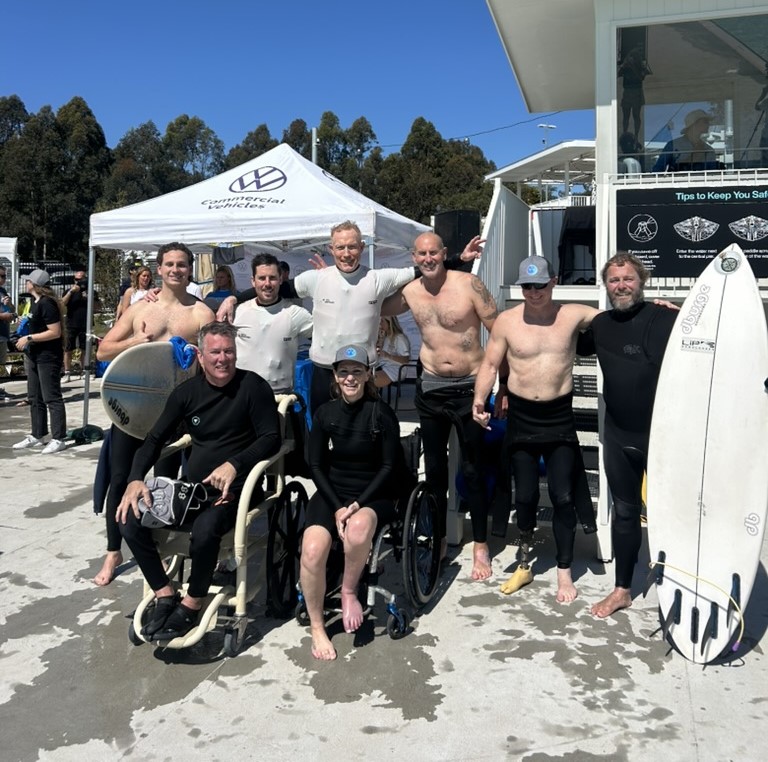
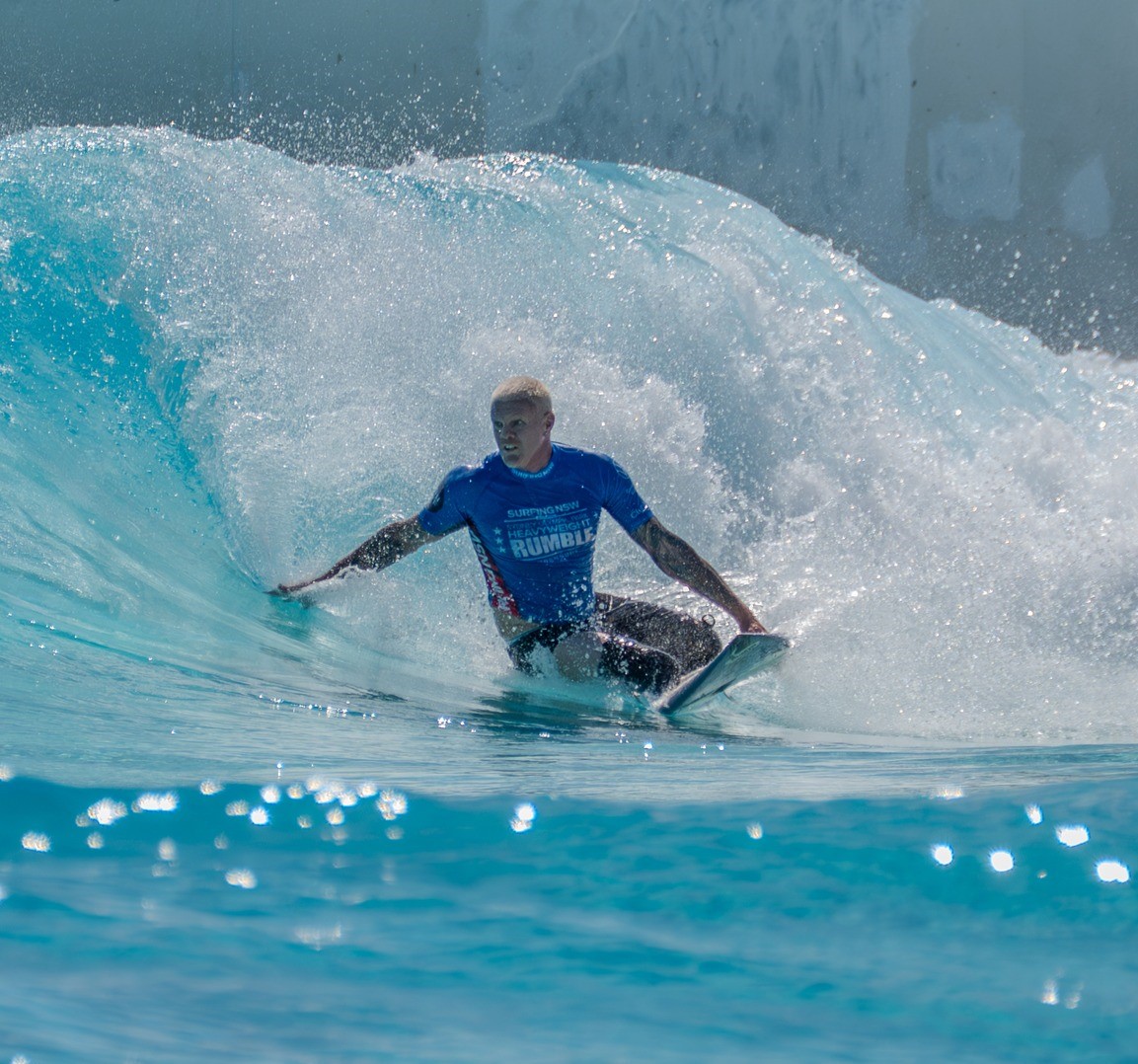
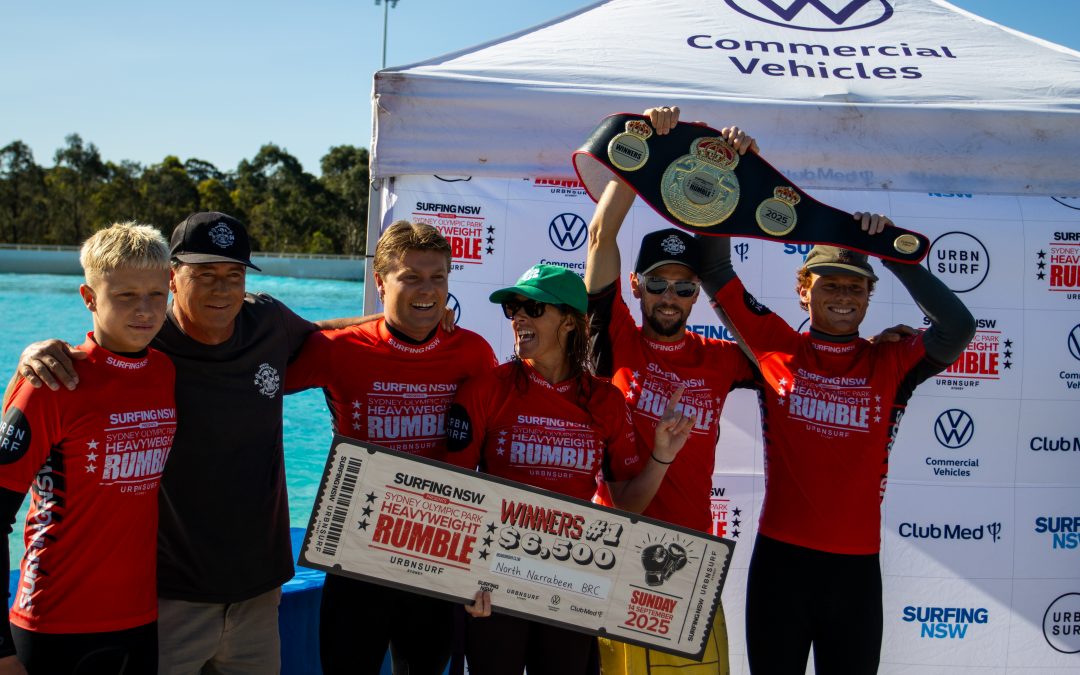
In September 2025, Surfing NSW’s club battle was held at URBNSURF in Sydney Olympic Park. Twenty-seven clubs competed, and North Narrabeen won, sealed by a 9-point ride and a perfect 10 from Dylan Moffat. The field also included Northern Beaches Para Surfer Boardriders and Sydney Adaptive Boardriders.
Traditionally, the identity of many boardrider clubs has been tied to a beach. At URBNSURF, clubs like North Narrabeen carried their history, rivalries and community into an artificial wave. Para and adaptive clubs competed alongside them, in a setting where predictable waves can make competition more accessible.
If a club’s identity can move away from the ocean, what holds it together?
Beyond surfing
The model isn’t unique to surfing. In many community-driven sports, participation depends on local structures that rarely feature in marketing plans.
In Australian surfing, the sport’s own governing bodies credit boardrider clubs with contributing to the country’s competitive success on the world stage. It’s hard to find a clearer example of invisible infrastructure.
The pathway
The wave belongs to the surfer. The pathway belongs to the club.
Anyone who wants to grow surfing shouldn’t only ask which athletes to sponsor, but which structures allow those athletes — and everyone else — to take part and keep going.